
August 19, 2026
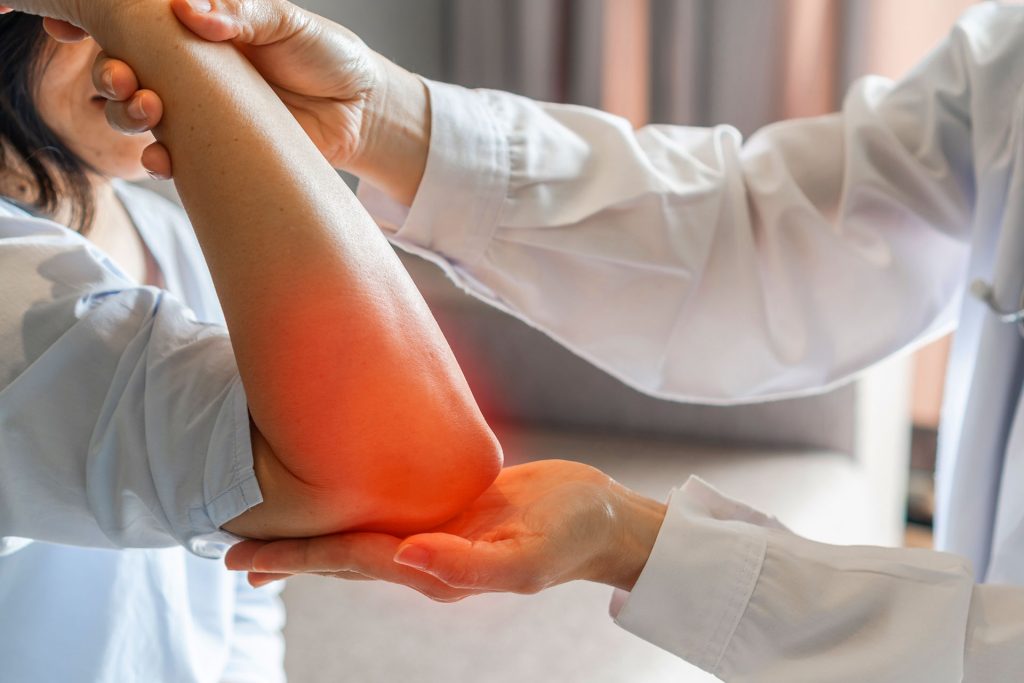
Your elbow aches every time you lift a coffee cup, type on your keyboard, or shake someone's hand. It started as a minor annoyance, but now it's impossible to ignore. If you're wondering why this joint suddenly feels like it's working against you, you're not alone, and the answer is more nuanced than "you probably slept on it wrong."What Causes Elbow Pain?
Elbow pain is most often caused by overuse injuries like tennis elbow or golfer's elbow, tendon inflammation, nerve compression, arthritis, or trauma such as fractures and sprains. Repetitive motions from sports, typing, or manual labor strain the tendons and joint, leading to swelling, stiffness, and pain that can radiate into the forearm or wrist.
Common Culprits Behind Elbow Pain
The elbow is a complex hinge joint made up of bones, tendons, ligaments, and nerves, all working together to allow bending, straightening, and rotation. When any part of that system gets overworked or damaged, pain follows.1. Tennis Elbow (Lateral Epicondylitis)
This is one of the most frequently diagnosed causes of elbow pain, even in people who've never picked up a racket. It develops when the tendons on the outer elbow become inflamed from repetitive wrist and arm motions.- Pain on the outside of the elbow
- Weak grip strength
- Discomfort when lifting or twisting objects
2. Golfer's Elbow (Medial Epicondylitis)
The counterpart to tennis elbow, this condition affects the tendons on the inner side of the elbow. It's common among golfers, but also affects painters, carpenters, and anyone who repeats gripping motions.3. Bursitis
A small fluid-filled sac called the bursa cushions the elbow joint. When it becomes irritated or infected, swelling and tenderness can make even light pressure feel unbearable.4. Nerve Compression
Conditions like cubital tunnel syndrome occur when the ulnar nerve gets pinched near the elbow, causing tingling, numbness, or a sharp "funny bone" sensation that travels into the fingers.5. Arthritis
Osteoarthritis and rheumatoid arthritis can wear down the cartilage in the elbow joint over time, leading to stiffness, swelling, and a grinding sensation during movement.6. Fractures and Sprains
Falls, sports injuries, or sudden impacts can cause ligament tears or bone fractures. These injuries usually bring immediate, intense pain along with visible swelling or bruising.Lifestyle Factors That Make It Worse
Certain daily habits quietly contribute to elbow strain without people realizing it. Recognizing these patterns can help prevent the problem from returning after treatment.- Repetitive computer use without proper wrist and arm support
- Poor lifting technique during workouts or manual labor
- Skipping warm-ups before physical activity
- Ignoring early symptoms until the pain becomes chronic
When Elbow Pain Signals Something Bigger
Occasional soreness after activity is normal, but persistent or worsening pain often points to an underlying issue that needs professional attention. Swelling that doesn't go down, numbness that spreads, or pain that disrupts sleep are signals your body shouldn't be left unaddressed. Chronic joint pain, including elbow discomfort, is increasingly managed through modern, non-invasive approaches rather than relying solely on medication. Understanding what does pain management do can shed light on how targeted therapies, physical rehabilitation, and minimally invasive techniques are reshaping recovery for joint-related conditions.How Elbow Pain Is Typically Diagnosed
Getting an accurate diagnosis usually involves a combination of physical examination and imaging. A provider will typically look at range of motion, tenderness points, and strength before recommending further testing.- Physical assessment of grip strength and joint movement
- X-rays to rule out fractures or arthritis
- MRI or ultrasound for soft tissue and tendon damage
- Nerve conduction studies if numbness or tingling is present
Ways to Manage and Prevent Elbow Pain
Most cases of elbow pain respond well to conservative treatment, especially when addressed early. Consistency matters more than intensity when it comes to recovery.- Rest and activity modification to reduce repetitive strain
- Ice therapy to control inflammation in the first 48 hours
- Stretching and strengthening exercises for the forearm muscles
- Ergonomic adjustments at work or during sports activities
- Bracing or supportive taping during high-strain activities


