
July 26, 2026
Sharp pain has a way of stopping you dead in your tracks. Whether it strikes suddenly in your chest, shoots down your leg, or stabs at your lower back, it demands immediate attention and often leaves you scrambling for answers. Understanding what your body is trying to tell you can mean the difference between quick relief and a missed warning sign.What Does Sharp Pain Mean?
Sharp pain is a sudden, intense, stabbing or piercing sensation that differs from dull aching or throbbing. It typically signals nerve irritation, tissue injury, or organ distress. Unlike chronic discomfort, sharp pain is often localized, short-lived, and the body's urgent alert that something in a specific area needs immediate attention or medical evaluation.
Why Is My Pain So Sharp and Sudden?
When pain arrives fast and fierce, the nervous system is doing exactly what it was designed to do. Nociceptors, the specialized nerve endings scattered throughout your body, fire rapid signals to your brain the moment they detect tissue damage, pressure, or chemical changes caused by injury or inflammation. The speed and intensity of that signal is what makes pain feel "sharp" rather than dull or achy. Think of it as your body's loudest alarm going off. The cause behind that alarm, however, varies enormously depending on where the pain is located and what surrounds it.Common Causes of Sharp Pain by Location
Location is everything when decoding what sharp pain means. A stabbing sensation in your chest carries very different implications than a shooting pain in your lower back. Below is a breakdown of the most frequently reported areas and their likely culprits.Sharp Chest Pain
Chest pain with a sharp, stabbing quality can feel terrifying, and rightly so. While cardiac causes like a heart attack must always be ruled out first, many people experience sharp chest pain from non-cardiac sources including:- Costochondritis (inflammation of the cartilage connecting ribs to the breastbone)
- Pleuritis (inflammation of the lining around the lungs)
- Acid reflux or esophageal spasms
- Anxiety or panic attacks
- Pericarditis (inflammation around the heart)
Sharp Lower Back Pain
Lower back pain that feels sharp rather than achy is commonly tied to nerve involvement. The sciatic nerve is a frequent offender, producing shooting, electric-like sensations that travel from the lower back into the glutes, legs, and feet. Other common causes include:- Herniated or bulging discs pressing on nerve roots
- Facet joint dysfunction
- Muscle spasms caused by sudden movement
- Kidney stones, which can produce referred sharp flank pain
- Spinal stenosis, narrowing of the spinal canal
Sharp Abdominal Pain
The abdomen houses dozens of organs, making sharp pain here particularly tricky to interpret. Location within the abdomen matters significantly. Pain in the upper right quadrant often points to gallbladder issues, while lower right pain raises concern for appendicitis. Other possible causes include:- Irritable bowel syndrome (IBS)
- Ovarian cysts or ruptured follicles in women
- Crohn's disease or ulcerative colitis
- Intestinal obstructions
- Ectopic pregnancy (a medical emergency)
Sharp Knee and Joint Pain
Joints are complex structures, and sharp knee pain in particular can arise from several distinct problems. A sudden sharp sensation during movement often suggests a structural issue rather than simple inflammation. Common causes include:- Meniscus tears
- Ligament sprains or tears (ACL, MCL)
- Patellofemoral syndrome (runner's knee)
- Bursitis
- Gout, which causes intense crystalline joint inflammation
Sharp Head Pain
Sharp, stabbing head pain that lasts only seconds is often described as an "ice pick headache." These brief, intense jolts are usually harmless but can be alarming. However, sudden, severe head pain that reaches peak intensity within seconds (the so-called "thunderclap headache") is a medical emergency that may indicate a brain aneurysm.
⚠ When to Seek Emergency Care:
- Sharp chest pain with sweating, nausea, or arm pain
- Sudden severe head pain described as the "worst of your life"
- Sharp abdominal pain with fever and rigid belly
- Sharp pain after a traumatic injury
- Loss of bowel or bladder control accompanying back pain
Sharp Pain vs. Chronic Pain: Understanding the Difference
Acute sharp pain and chronic pain are fundamentally different experiences, both in how they feel and how the nervous system processes them. Sharp pain is typically acute, meaning it is intense, specific, and temporary. Chronic pain, on the other hand, persists long after the initial injury has healed and involves complex changes in how the nervous system transmits signals. One of the most fascinating and important distinctions is that chronic pain can become self-sustaining. The nervous system essentially becomes sensitized, amplifying pain signals even without ongoing injury. Understanding how chronic pain signals travel and are processed in the nervous system is key to understanding why some people benefit from advanced interventions like spinal cord stimulation when standard treatments fail. Recognizing when your sharp pain transitions from an acute warning signal to a chronic pattern is critical for getting the right kind of care at the right time.What Nerve Pain Feels Like vs. Musculoskeletal Pain
Not all sharp pain has the same quality. Being able to describe your pain accurately helps clinicians narrow down the source much faster.Nerve-Related Sharp Pain
- Burning or electric quality
- Shoots or radiates along a path
- Accompanied by tingling or numbness
- Worsened by certain positions
- May cause hypersensitivity to touch
Musculoskeletal Sharp Pain
- Localized, does not radiate
- Worse with specific movements
- Tender to direct pressure
- Often accompanied by stiffness
- Improves with rest (usually)
How Doctors Diagnose the Cause of Sharp Pain
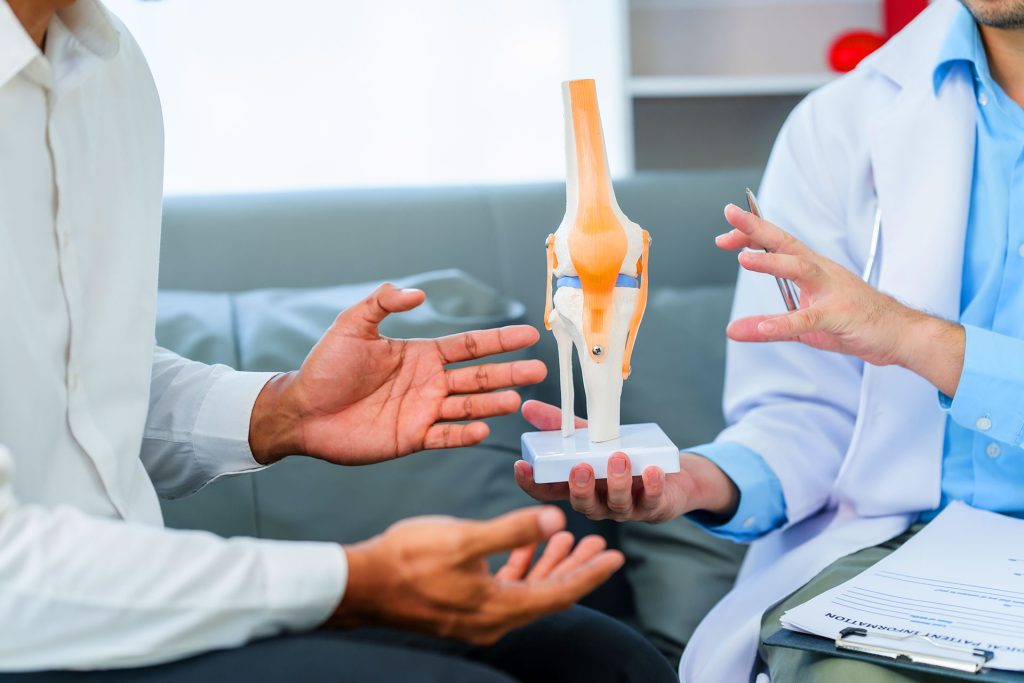
When you present to a doctor with sharp pain, they use a systematic approach to narrow down the source. You can expect a thorough clinical evaluation that typically includes:Medical History and Symptom Mapping
Your doctor will ask detailed questions about when the pain started, where it is located, what makes it better or worse, and whether it radiates. These answers alone can significantly point toward a diagnosis.Physical Examination
A hands-on exam allows clinicians to test range of motion, reproduce pain with specific maneuvers, check reflexes, and assess neurological function. For example, the straight-leg raise test is commonly used to identify sciatic nerve involvement.Diagnostic Imaging and Tests
Depending on findings, your doctor may order:- X-rays to evaluate bone structure
- MRI scans to visualize soft tissue, nerves, and discs
- CT scans for detailed cross-sectional views
- Nerve conduction studies (EMG) to assess nerve function
- Blood tests to detect infection, inflammation, or metabolic causes
- Urinalysis if kidney stones are suspected
Treatment Options for Sharp Pain
Treatment depends entirely on the underlying cause, but there are several common approaches used across a wide range of sharp pain conditions.Conservative and Home-Based Treatments
For many musculoskeletal causes of sharp pain, first-line treatment is straightforward:- Rest and activity modification
- Ice or heat therapy depending on the phase of injury
- Over-the-counter NSAIDs like ibuprofen or naproxen
- Physical therapy and targeted stretching
- Topical analgesics for localized relief
Medical and Interventional Treatments
When sharp pain is severe, persistent, or linked to nerve damage, more targeted treatments become necessary:- Prescription medications including nerve pain agents like gabapentin
- Corticosteroid injections to reduce inflammation at the pain source
- Nerve blocks to interrupt pain signaling
- Radiofrequency ablation for longer-term nerve pain relief
- Surgical intervention when structural problems require correction
- Spinal cord stimulation for refractory nerve pain that does not respond to conventional treatments
Mind-Body and Lifestyle Approaches
The relationship between pain and the nervous system means that psychological and lifestyle factors play a more significant role than many people expect. Approaches like cognitive behavioral therapy (CBT), mindfulness-based stress reduction, and regular low-impact exercise can meaningfully reduce pain intensity and improve quality of life, particularly when pain becomes chronic.Can Sharp Pain Be a Sign of Something Serious?
Yes, and this is where the stakes become high. Sharp pain should never be automatically dismissed as "just a muscle." Certain patterns of sharp pain are red flags that warrant urgent or emergency evaluation.
Red Flag Symptoms to Never Ignore:
- Sharp pain that is the worst you have ever felt
- Sharp pain accompanied by unexplained weight loss
- Pain that wakes you from sleep consistently
- Sharp pain with fever, chills, or night sweats
- New sharp pain in anyone over 50 with a history of cancer
- Sharp back pain with weakness in the legs or incontinence
Tips for Communicating Your Sharp Pain to a Doctor
Getting an accurate diagnosis starts with how well you describe your pain. Doctors use specific pain descriptors to build their clinical picture, and the more precise you are, the faster you can get to the right answer. Use these prompts before your appointment:- Where exactly is it? Can you point to it with one finger?
- Does it move? Does it stay in one spot or radiate outward?
- When did it start? Was it sudden or gradual?
- What triggers it? Movement, breathing, eating, resting?
- How intense is it? Rate it on a scale of 1 to 10
- What helps? Does anything make it better?
- Are there other symptoms? Nausea, numbness, weakness, dizziness?
Preventing Sharp Pain Recurrence
Prevention is not always possible, especially when sharp pain stems from disease processes. But for musculoskeletal and nerve-related sharp pain, certain habits dramatically reduce your risk of repeat episodes.- Maintain a strong core to protect spinal structures
- Practice proper ergonomics at work and home
- Warm up before physical activity
- Stay within a healthy weight range to reduce joint load
- Address muscle imbalances through targeted physical therapy
- Do not ignore early warning signs before they escalate


